De-Winterizing Your Vessel: Your Quick-Start Checklist for Spring Launch
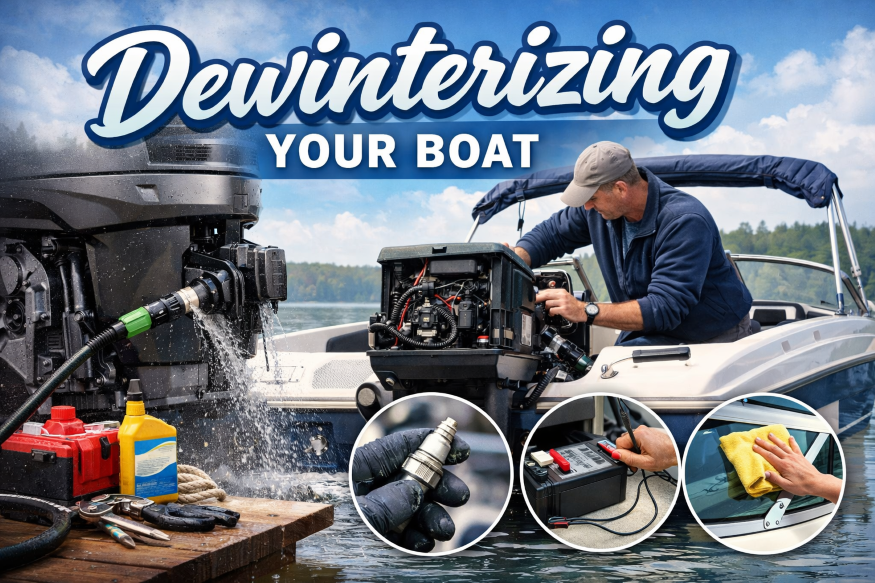 The countdown to launch day has begun! Properly de-winterizing your boat now is the critical final step after a winter of careful maintenance. A thorough check ensures both safety on the water and reliability for the season ahead.
Exterior and Hull Preparation
Start with a visual inspection to assess any winter damage and prepare the outside for immersion.
- Hull Integrity: Visually inspect the hull, running gear, and rudder for any new dings, blisters, or stress cracks.
- Anodes (Zincs): Inspect and replace any sacrificial anodes on the hull, shaft, and trim tabs that are more than 50% depleted. These protect critical metal components from corrosion.
- Running Gear: Check the propeller(s) for damage (nicks, bends) and inspect the propeller shaft seals and bearings.
- Clean and Wax: Clean off any residual grime. A fresh coat of wax or polish protects the gelcoat and makes cleaning easier all season long.
Engine and Mechanical Systems
This is where all that winterization work pays off. Start with a visual check before reconnecting power.
- Fluids and Filters: Check all fluid levels (oil, coolant, transmission fluid). If you didn't change the engine oil and filters before storage, do so now.
- Belts and Hoses: Inspect all engine belts for wear, cracks, or fraying. Check hoses for soft spots or swelling and tighten any loose clamps.
- Fuel System: Replace fuel filters and fuel/water separators. Inspect all fuel lines for leaks or degradation.
- Cooling System: Ensure all raw water strainers are clean and tightly secured.
Battery and Electrical Power
Your battery care during winter (as outlined in our previous article "Winter Boat Care") ensures smooth operation now.
- Reconnection: Clean the battery terminals, reconnect the cables securely (positive first), and charge the batteries fully with a marine charger. Do not rely on the alternator to charge heavily depleted batteries.
- Test Electronics: Turn on all navigation equipment (GPS, radar, depth sounder) and safety gear (VHF radio) to confirm they function correctly.
- Bilge Pumps: Test the operation of your bilge pump and float switch manually and clear any debris from the bilge area.
Freshwater and Head Systems
Flushing the winterizing chemicals is the most important part of getting your boat ready for use.
- Flush Anti-Freeze: Flush the entire freshwater system (tanks, lines, fixtures) with clean water to remove the anti-freeze.
- Sanitize: Sanitize the freshwater tank using a recommended solution (like a mild bleach mixture) and then flush thoroughly until the system is clean and odorless.
- Seacocks: Ensure all seacocks and through-hulls are operational and open before starting the engine or using the raw water systems.
Final Safety & Launch Preparation
- Safety Gear: Check the expiration dates on all flares. Ensure life jackets are accessible and inspect fire extinguishers for a full charge.
- The First Start: Before attempting to start the engine, confirm that all cooling system seacocks are open. Start the engine, check for water discharge from the exhaust immediately, and monitor the gauges (oil pressure, temperature) closely for normal readings.
Proactive Winter Care Makes Spring Launch Easier
Preparing for spring starts in the fall! If you need a refresher on how to keep your vessel protected during the off-season, be sure to read our companion article: Winter Boat Care: Keep Your Boat Safe & Ready for Spring.
